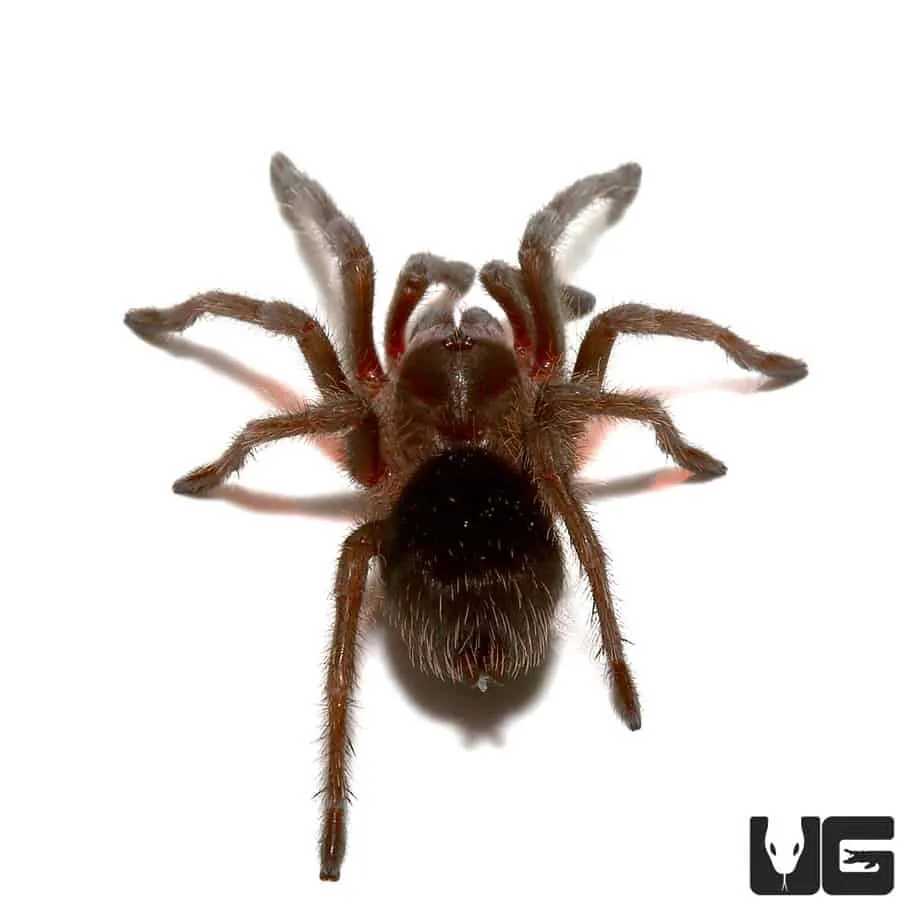
The allure of exotic pets has captured the hearts of many, and among the most intriguing are tarantulas. The Baby Brazilian Black Tarantula, in particular, is a sought-after species, admired for its striking appearance and relatively docile nature. If you’re considering adding one of these fascinating creatures to your family, you’re likely asking yourself, ‘Where can I find baby Brazilian Black Tarantulas for sale?’ This guide will provide you with a comprehensive overview of where to buy, what to look for, and how to care for these captivating arachnids, ensuring you’re well-prepared to welcome your new eight-legged friend.
Where to Buy Baby Brazilian Black Tarantulas
Finding a reputable source for baby Brazilian Black Tarantulas is crucial to ensure you acquire a healthy specimen. Several avenues offer these fascinating creatures, each with its own set of advantages and considerations. Understanding where to look can significantly impact your chances of a successful purchase and a thriving pet. Whether you’re a seasoned tarantula enthusiast or a first-time buyer, knowing your options is the first step towards bringing home a beautiful baby Brazilian Black Tarantula.
Online Tarantula Retailers
The internet has opened up a world of possibilities for pet ownership, and tarantulas are no exception. Numerous online retailers specialize in selling tarantulas, often offering a wide selection of species and sizes, including baby Brazilian Black Tarantulas for sale. This option provides unparalleled convenience, allowing you to browse and purchase from the comfort of your home. However, it’s essential to do your research to ensure the retailer is reputable and adheres to ethical breeding and shipping practices. Look for retailers with positive reviews, clear health guarantees, and detailed information about their tarantulas. Verify they comply with local regulations regarding the sale and transport of exotic animals. Check for customer reviews to ascertain the retailer’s reliability and the health of the tarantulas they sell. Be sure to ask for photos of the specific tarantula you are considering purchasing, and inquire about its feeding habits.
Reputable Breeders

Buying directly from a breeder can be a rewarding experience, offering the opportunity to learn about the tarantula’s lineage and care history. Reputable breeders often have a deep understanding of their animals and can provide valuable insights into their specific needs. They typically prioritize the health and well-being of their tarantulas, ensuring they are well-cared for and raised in optimal conditions. When considering a breeder, ask about their breeding practices, feeding schedules, and any health guarantees they offer. It’s also a good idea to ask for references or testimonials from previous customers. This approach gives you the peace of mind that your new baby Brazilian Black Tarantula has been raised in a healthy environment. Meeting the breeder in person, if possible, can also provide valuable insights into their operation and the quality of care they provide.
Local Pet Stores
Some local pet stores, particularly those specializing in exotic pets, may carry baby Brazilian Black Tarantulas. This can be a convenient option, allowing you to see the tarantula in person before making a purchase. Local pet stores often provide immediate access to the tarantula, eliminating the need for shipping and associated stress. When buying from a local pet store, examine the tarantula carefully for any signs of illness or injury. Inquire about the tarantula’s feeding habits and whether the store provides any care guidelines. However, ensure that the staff are knowledgeable about tarantulas and can answer your questions accurately. Also, consider the store’s reputation and cleanliness; these can be indicators of the overall care the animals receive. Local pet stores, depending on their size and specialization, might provide care guides to get you started.
What to Look for When Purchasing
Selecting a healthy baby Brazilian Black Tarantula is paramount for its long-term well-being and your enjoyment. Before purchasing, it’s important to conduct a thorough inspection to ensure the tarantula is in good condition. A healthy specimen will exhibit specific characteristics that indicate its overall health and vitality. Taking the time to assess these factors can help you avoid potential problems and ensure you bring home a thriving pet.
Healthy Appearance

A healthy baby Brazilian Black Tarantula should have a plump abdomen, indicating that it has been well-fed. The legs should be intact and free of any deformities or missing appendages. The tarantula should be active and alert, showing a natural inquisitiveness and willingness to move around its enclosure. Avoid tarantulas that appear lethargic or sluggish. The fangs should be clean and not damaged. The prosoma (cephalothorax) should be smooth and without any signs of injury or illness. Ensure that the tarantula is free from any visible signs of parasites or mites. Look for a vibrant, glossy sheen on the carapace and body, which indicates good health.
Proper Handling
Observe the tarantula’s behavior. A healthy tarantula should be alert and responsive to its environment. Watch how it interacts with its surroundings. Does it retreat to a burrow when disturbed, or does it move around with confidence? Ensure the seller handles the tarantula carefully and gently, demonstrating a respect for the animal. Avoid purchasing tarantulas that have been handled excessively, as this can cause stress and anxiety. If possible, ask the seller to show you how they handle the tarantula. Do not attempt to handle the tarantula yourself, especially if you are new to keeping tarantulas. If you do handle the tarantula be aware that they can drop from any height, so be sure to handle close to the ground or a soft surface.
Clear Information
A reputable seller will provide you with all the necessary information about the tarantula, including its age, sex (if known), feeding history, and any relevant care instructions. They should be able to answer your questions about the tarantula’s specific needs, such as temperature, humidity, and substrate requirements. Ask for a guarantee of the tarantula’s health, and inquire about the seller’s return policy in case of any problems. The seller should be transparent about their breeding practices and the tarantula’s origin. They should provide you with any necessary documentation, such as permits or health certificates. This information helps you ensure the tarantula’s well-being and comply with all local regulations.
Setting Up Your Baby Brazilian Black Tarantula’s Habitat
Creating the right environment is crucial for your baby Brazilian Black Tarantula’s health and happiness. Their habitat should mimic their natural environment as closely as possible, providing the necessary conditions for them to thrive. Proper setup will help ensure a healthy and stress-free environment for your tarantula, setting the foundation for a long and fulfilling life. It is vital to provide the correct enclosure size and type, along with the proper substrate, temperature, and humidity.
Enclosure Size and Type
A secure and appropriately sized enclosure is essential. For a baby Brazilian Black Tarantula, a small plastic container or terrarium with a secure lid is ideal. The enclosure should be large enough for the tarantula to move around comfortably, but not so large that it feels overwhelmed or difficult to find food. A good rule of thumb is to provide an enclosure that is at least three times the tarantula’s leg span in width and length. Ensure the enclosure is escape-proof, with a tight-fitting lid and no gaps. Provide adequate ventilation by adding air holes in the lid and sides of the enclosure. Use a clear container so you can observe your tarantula’s behavior and activities. As the tarantula grows, you will need to upgrade to a larger enclosure.
Substrate Selection
The substrate is the material that lines the bottom of the enclosure and serves several purposes. It provides a comfortable surface for the tarantula to walk on, helps to maintain humidity, and allows the tarantula to burrow. Good substrate options include peat moss, coconut fiber, or a mix of both. Avoid substrates that are dusty or contain harmful chemicals. The substrate should be deep enough to allow the tarantula to burrow, typically around 2-4 inches. Keep the substrate slightly damp to maintain humidity, but avoid overwatering, which can lead to mold growth. Regularly check the substrate for any signs of mold or excessive moisture and replace it as needed. Substrates such as sphagnum moss can be used for added humidity. The correct choice of substrate is essential to help your tarantula thrive.
Temperature and Humidity

Maintaining the correct temperature and humidity levels is crucial for your baby Brazilian Black Tarantula’s health. The ideal temperature range is between 75-85°F (24-29°C). You can use a heat mat placed on the side of the enclosure or a low-wattage heat lamp to maintain the correct temperature. Humidity levels should be between 60-70%. This can be achieved by lightly misting the enclosure with water a few times a week, or by providing a shallow water dish. Use a hygrometer to monitor humidity levels. Avoid placing the enclosure in direct sunlight, as this can cause it to overheat. Ensure that the enclosure is not in a drafty area. Constant monitoring and adjustment are crucial to keep the environment ideal.
Feeding Your Baby Brazilian Black Tarantula
Proper nutrition is critical for the growth and well-being of your baby Brazilian Black Tarantula. Baby tarantulas have specific dietary requirements, and understanding these needs will ensure your pet thrives. Providing the correct food types, feeding frequency, and water access is vital for promoting healthy growth and development. Careful attention to these feeding aspects will provide your tarantula with the resources it needs to live a long and healthy life.
Appropriate Food Types
Baby Brazilian Black Tarantulas are primarily insectivores, meaning their diet consists mainly of insects. Appropriate food sources for baby tarantulas include small crickets, mealworms, and flightless fruit flies. It is important to offer a variety of insects to provide a balanced diet. Ensure that the insects you feed your tarantula are gut-loaded, meaning they have been fed nutritious foods prior to being offered to your tarantula. Gut-loading increases the nutritional value of the insects, providing your tarantula with essential vitamins and minerals. Avoid feeding your tarantula insects that have been exposed to pesticides or other harmful chemicals. Supplement the diet with occasional treats, such as small pieces of pre-killed roaches.
Feeding Frequency
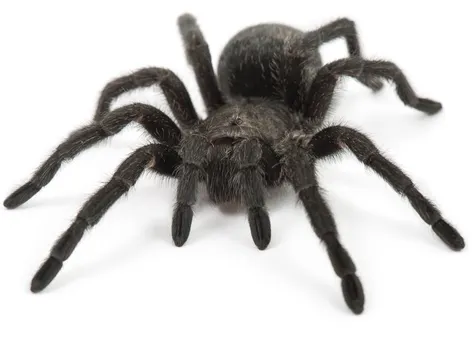
Baby Brazilian Black Tarantulas need to be fed more frequently than adults. Generally, feed your baby tarantula every 2-3 days. Adjust the feeding frequency based on the tarantula’s appetite and growth rate. Monitor your tarantula’s abdomen. If it appears plump and rounded, your tarantula is well-fed. If the abdomen appears shrunken, it may need more frequent feedings. Remove any uneaten food within 24 hours to prevent mold growth. As the tarantula grows, you can gradually reduce the feeding frequency.
Watering
Water is essential for your tarantula’s survival. Provide a shallow water dish with clean, fresh water at all times. The water dish should be shallow enough to prevent the tarantula from drowning. Change the water in the dish daily to prevent bacterial growth. You can also mist the enclosure lightly with water a few times a week to maintain humidity. Always ensure that your tarantula has access to fresh water, particularly during molting. Regularly cleaning and refilling the water dish is a critical aspect of your tarantula’s care.
Common Health Issues and Solutions
While baby Brazilian Black Tarantulas are relatively hardy, they can still be susceptible to various health issues. Understanding these potential problems and how to address them is vital for ensuring your tarantula’s well-being. Proactive care and early intervention are key to mitigating any health issues. Regular monitoring of your tarantula’s behavior, appearance, and enclosure environment will help you identify and address any problems promptly.
Moulting

Moulting is a natural process where tarantulas shed their exoskeleton to grow. During this time, the tarantula will typically stop eating and may become more reclusive. Provide a moist environment during moulting to help the tarantula shed its old exoskeleton. Avoid disturbing your tarantula while it’s moulting, as this can cause stress and potentially lead to problems. If your tarantula has difficulty moulting, consult with an experienced tarantula keeper or a veterinarian. Post-moult, your tarantula will be vulnerable and fragile, so avoid handling them and provide them with a secure place to recover. Watch out for any signs of infection after a moult and maintain the environment as sterile as possible.
Parasites
Tarantulas can occasionally be infested with mites or other parasites. Mites are tiny, often red or white, and can be seen crawling on the tarantula or its enclosure. If you notice mites, isolate the tarantula and clean its enclosure thoroughly. Increase ventilation to combat the mites’ preferred humid environment. Consult with an experienced tarantula keeper or a veterinarian for advice on treating mite infestations. Parasite infestation can be prevented by keeping the enclosure clean and providing a well-maintained environment. Quarantine new tarantulas before introducing them to other tarantulas.
Stress and Handling
Stress can weaken a tarantula’s immune system and make it more susceptible to illness. Avoid excessive handling, as this can be stressful for the tarantula. Provide a secure and stable environment with the correct temperature and humidity levels. Observe the tarantula’s behavior for signs of stress, such as erratic movements or loss of appetite. If your tarantula appears stressed, provide it with a quiet and undisturbed environment. Always wash your hands before handling the tarantula and avoid using scented soaps or lotions. Handling is not required to care for your tarantula. Minimize handling when possible.
Welcoming a baby Brazilian Black Tarantula into your life can be a rewarding experience. By following these guidelines on where to buy, proper care, and recognizing potential health issues, you’ll be well-equipped to provide your new pet with a long, healthy, and fulfilling life. Remember that responsible ownership is key. Enjoy the fascinating journey of observing and caring for this amazing creature. Always prioritize the well-being of your tarantula, and don’t hesitate to seek guidance from experienced keepers or professionals if you have any questions or concerns.