Amazing Facts About Amazon Tarantulas
The Amazon rainforest, a realm of unparalleled biodiversity, is home to some of the most fascinating creatures on Earth. Among these are the Amazon tarantulas, a group of impressive arachnids that command attention and respect. These spiders, with their imposing size, striking appearance, and unique adaptations, have captivated scientists and nature enthusiasts alike. This article delves into five amazing facts about Amazon tarantulas, offering a glimpse into their world and the remarkable qualities that make them such a compelling subject of study. From their physical attributes to their ecological roles and conservation status, we’ll explore what makes these creatures truly exceptional.
Physical Characteristics
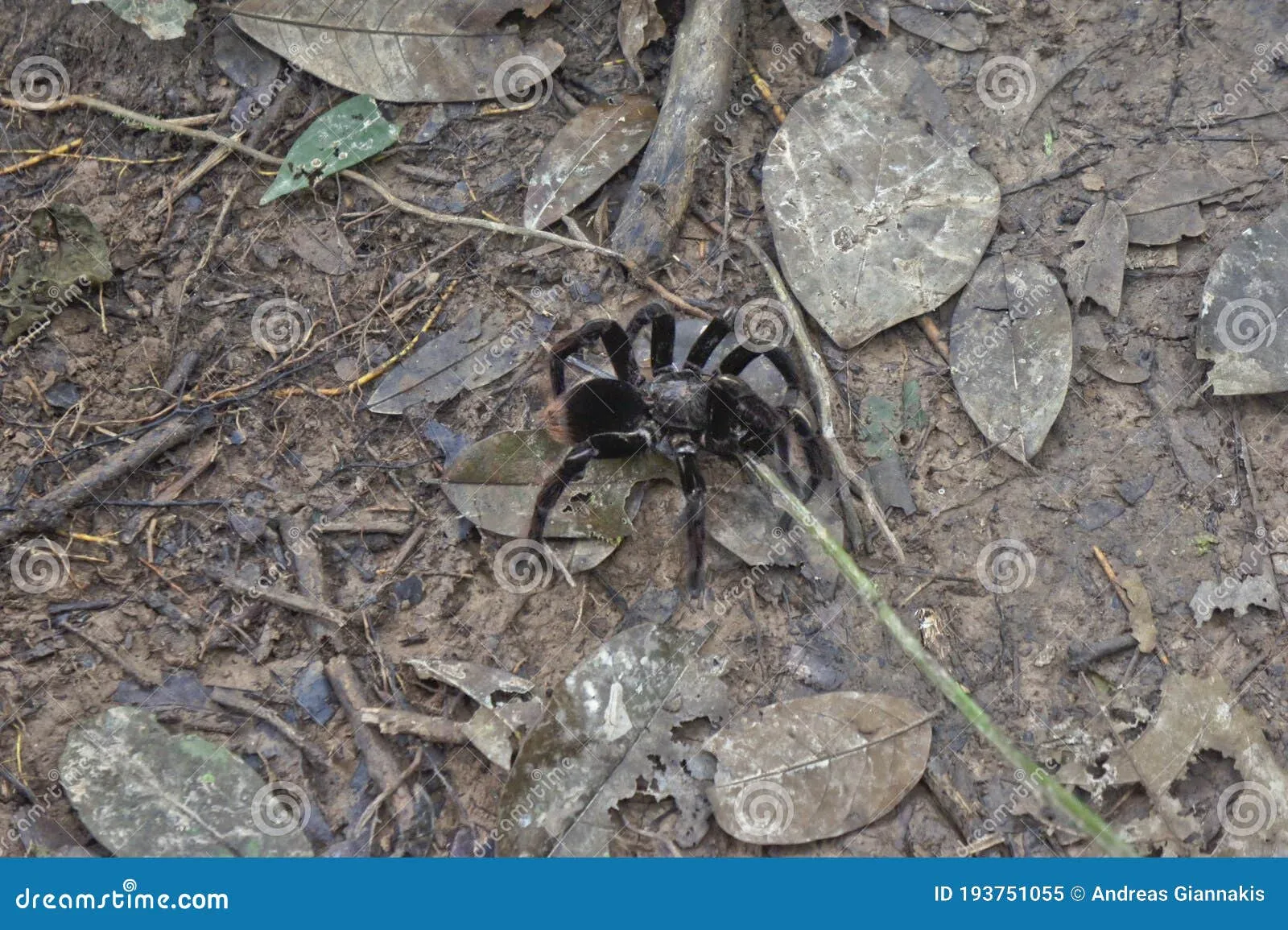
Amazon tarantulas, as a group, exhibit a wide range of physical characteristics, varying in size, coloration, and specific features depending on the species. These spiders typically possess a robust build, with a body covered in dense hairs that serve various functions, including sensory perception and defense. Their size can range from a few inches in leg span to over 10 inches, making some species among the largest spiders in the world. The colors of these tarantulas are as diverse as their environment, with species displaying hues of brown, black, red, and orange, often blending seamlessly with their surroundings to provide camouflage. The chelicerae, or fangs, of Amazon tarantulas are notably large and powerful, designed for subduing prey. They also have pedipalps, which are used for sensory functions and mating.
Size and Appearance

One of the most striking features of Amazon tarantulas is their size. The largest species can reach impressive dimensions, with leg spans that rival the size of a dinner plate. The overall appearance is often characterized by a hairy, robust body and a set of powerful legs. Coloration varies greatly, with some species displaying earthy tones like browns and blacks, while others feature vibrant reds, oranges, and yellows. This diversity in appearance allows them to blend in with the rich hues of the rainforest floor, providing excellent camouflage. The contrast between the size, coloration, and overall physique makes these tarantulas visually stunning creatures.
Distinctive Features
Beyond their size and coloration, Amazon tarantulas possess several distinctive features. Their bodies are covered in urticating hairs, which they can flick at potential threats as a defense mechanism. These hairs cause intense itching and irritation upon contact. Many species also have specialized spinnerets that produce silk for various purposes, including creating webs, lining burrows, and encasing their eggs. Additionally, the chelicerae of these spiders are designed for gripping and injecting venom, allowing them to subdue prey effectively. The combination of these features reflects the evolutionary adaptations to survive in a challenging environment, showcasing the resilience and complexity of these amazing creatures.
Habitat and Distribution
Amazon tarantulas are primarily found in the Amazon rainforest, the largest rainforest on Earth. This vast and diverse ecosystem provides an ideal habitat for these spiders, offering the conditions they need to thrive. The distribution of Amazon tarantulas is closely tied to the specific habitats within the rainforest, varying by species. Factors such as soil type, vegetation, and prey availability play a crucial role in determining where these spiders can be found. Their presence is a testament to the health and biodiversity of the Amazon rainforest, highlighting the importance of protecting this unique and valuable ecosystem.
Amazon Rainforest Ecosystem

The Amazon rainforest is a complex and dynamic ecosystem, characterized by high humidity, dense vegetation, and an abundance of life. It’s home to a staggering array of plant and animal species, making it one of the most biodiverse regions on the planet. The rainforest provides the perfect environment for Amazon tarantulas, offering a rich source of prey, suitable soil for burrowing, and protection from the elements. The spiders play a vital role in this ecosystem, contributing to the regulation of insect populations and serving as prey for larger animals, creating a balance within the rainforest ecosystem.
Geographic Range
The geographic range of Amazon tarantulas extends across the Amazon Basin, encompassing parts of several South American countries, including Brazil, Peru, Colombia, and Ecuador. Different species have their own specific distribution patterns, influenced by factors like habitat preferences and competition. Understanding the geographic range of these spiders is essential for conservation efforts, as it helps scientists identify areas where these tarantulas are most vulnerable to threats. Habitat destruction and climate change are significant challenges to their survival.
Diet and Hunting
Amazon tarantulas are primarily carnivorous, with their diet consisting mainly of insects and other invertebrates. They are also known to consume small vertebrates, such as lizards, frogs, and even small mammals. Their hunting strategies vary depending on the species and their specific habitat. Some tarantulas are ambush predators, waiting patiently for their prey to come within striking distance, while others actively hunt and pursue their food. They use their powerful fangs to inject venom, which immobilizes their prey before they consume it. The diet of Amazon tarantulas is a reflection of their predatory lifestyle and their important role in the food web of the Amazon rainforest.
Prey and Feeding Habits

The diet of Amazon tarantulas is diverse, depending on the size and species of the spider. Insects form a significant portion of their diet, including crickets, beetles, and other arthropods. Larger tarantulas may also prey on small vertebrates. They have a unique way of feeding, injecting digestive enzymes into their prey to break it down before sucking up the liquefied nutrients. This method allows them to consume their food efficiently. They do not need to eat every day, often going for long periods between meals, which is an adaptation to their environment.
Hunting Techniques
Amazon tarantulas employ different hunting techniques. Some species are ambush predators, remaining still and waiting for prey to come within range. Others are active hunters, pursuing their prey across the forest floor. When a tarantula detects a potential meal, it pounces quickly, using its fangs to inject venom that paralyzes or kills the prey. They then use their pedipalps and chelicerae to manipulate and consume their meal. Their hunting methods are a testament to their adaptation as predators.
Behavior and Lifestyle
The behavior and lifestyle of Amazon tarantulas vary depending on the species and environmental conditions. Some are solitary creatures, while others may exhibit social behaviors to some extent. Most species are nocturnal, being more active during the night when they hunt and forage for food. They often live in burrows, which they construct in the ground, or in shelters made of leaves and other materials. These burrows provide protection from predators and harsh weather conditions. Their lifestyle is shaped by the need to survive in a competitive environment, with adaptations designed for hunting, defense, and reproduction.
Burrowing and Nocturnal Behavior

Burrowing is a common behavior among Amazon tarantulas, offering protection from predators and extreme temperatures. These spiders dig burrows in the ground, which serve as their homes. They often line their burrows with silk to provide additional stability and comfort. Most Amazon tarantulas are nocturnal, meaning they are most active during the night. This behavior helps them avoid predators and take advantage of the cover of darkness while hunting for food. Their nocturnal activity is a key adaptation to their environment.
Defensive Mechanisms
Amazon tarantulas have evolved various defensive mechanisms to protect themselves from predators. One of the most notable is the presence of urticating hairs, which they can flick towards threats, causing irritation and deterring attacks. They can also bite, injecting venom that is not typically lethal to humans but can cause significant pain. Additionally, their coloration can help them camouflage with their surroundings, making it difficult for predators to spot them. Their ability to quickly retreat into their burrows is another effective defensive strategy, minimizing their exposure to threats.
Conservation Status
The conservation status of Amazon tarantulas is an area of growing concern due to habitat loss and the effects of climate change. While many species are not yet classified as endangered, they are facing increasing threats from human activities, including deforestation, habitat destruction, and the illegal pet trade. Understanding the specific threats to each species is vital for developing effective conservation strategies. Protecting their habitat and monitoring their populations are crucial steps in ensuring that these amazing spiders continue to thrive in the Amazon rainforest for generations to come.
Threats to Amazon Tarantulas

Amazon tarantulas face a range of threats that put their survival at risk. Deforestation is one of the most significant, as it destroys their habitat and reduces the availability of food and shelter. Climate change also poses a threat, altering the temperature and rainfall patterns that are crucial for their survival. The illegal pet trade is another major concern, as collectors often remove these spiders from their natural environment, reducing wild populations. Understanding these threats is crucial for implementing appropriate conservation efforts.
Conservation Efforts
Conservation efforts for Amazon tarantulas involve multiple strategies to protect their habitat and ensure their survival. These include the establishment of protected areas, where deforestation and human activities are restricted. Reforestation projects can help restore degraded habitats, creating new areas where tarantulas can thrive. Public awareness campaigns are essential to educate people about the importance of these spiders and the threats they face, encouraging responsible practices. Combating the illegal pet trade is also critical, implementing regulations and enforcement to prevent the removal of tarantulas from their natural habitats.
Conclusion
Amazon tarantulas are remarkable creatures, showcasing a fascinating combination of physical adaptations, behaviors, and ecological roles. From their imposing size and striking appearance to their hunting strategies and defensive mechanisms, these spiders are uniquely adapted to their rainforest environment. Their presence is a testament to the biodiversity of the Amazon, highlighting the importance of protecting this irreplaceable ecosystem. However, these amazing spiders face significant threats, and their conservation requires ongoing efforts. By raising awareness, supporting conservation initiatives, and protecting their habitat, we can help ensure that these fascinating creatures continue to thrive in the heart of the Amazon for generations to come. Protecting these creatures, and their homes, will help maintain the balance of nature that makes the rainforest so special.