Tarantula Hawks Active Top 5 Amazing Facts
Tarantula hawks, with their striking appearance and formidable sting, are one of the most fascinating insects in the world. These large, powerful wasps are known for their unique behavior of hunting tarantulas, making them a subject of both awe and curiosity. This article delves into the active lives of these incredible creatures, revealing their habits, habitats, and the five most amazing facts that set them apart in the insect world. Understanding when and how these wasps are active provides a deeper appreciation for their role in the ecosystem and their remarkable survival strategies. Prepare to be amazed by the world of tarantula hawks.
What are Tarantula Hawks?
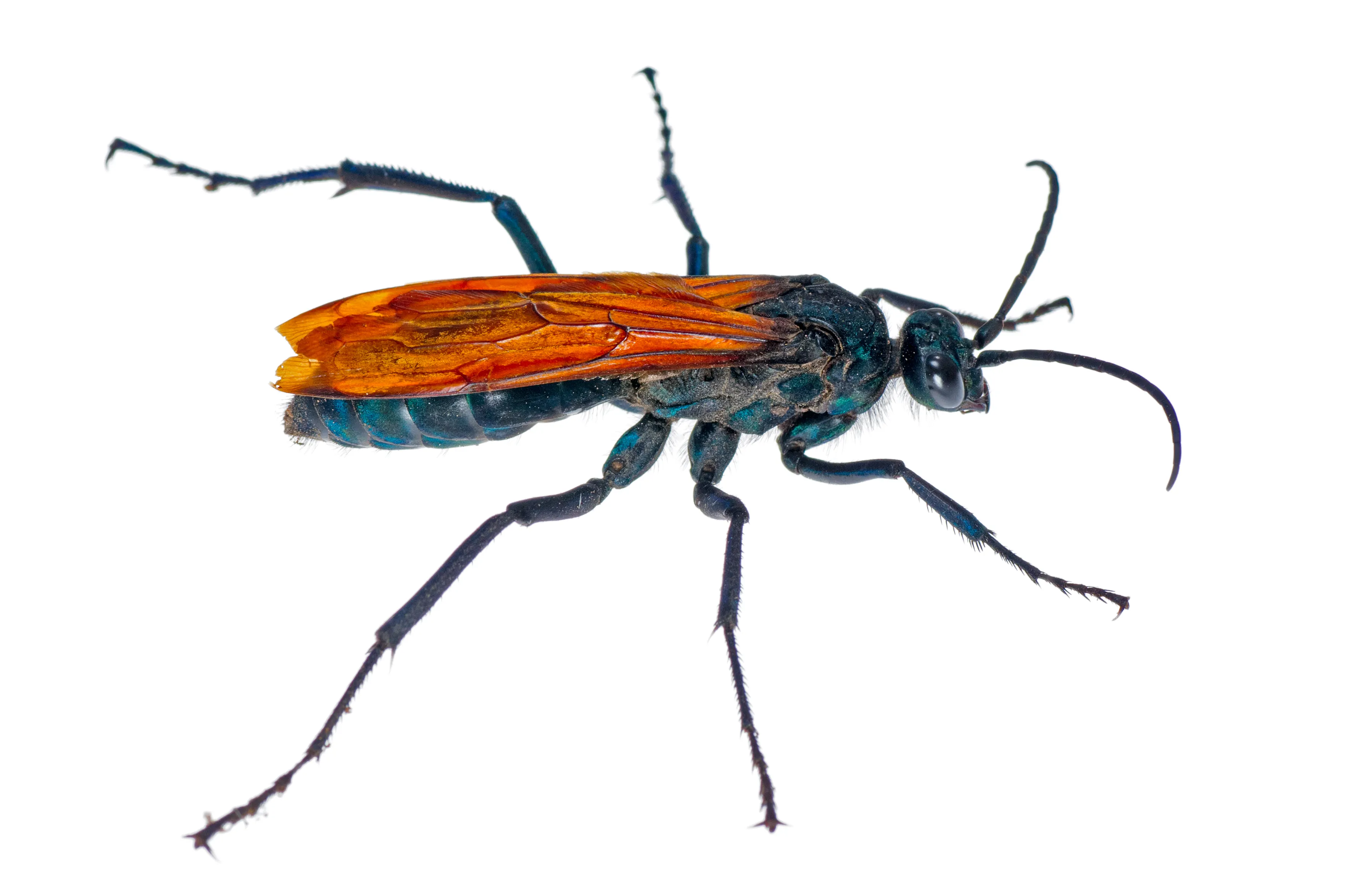
Tarantula hawks are large, solitary wasps belonging to the family Pompilidae. They are renowned for their size, often reaching up to 2 inches (5 cm) in length, and their vibrant coloration. Typically, they display a striking combination of black or dark blue bodies with bright orange or rust-colored wings. These wasps are found in various habitats, including deserts, grasslands, and open woodlands, primarily in the Americas, Australia, and Asia. The most well-known species are found in the southwestern United States. Their scientific name, Pepsis and Hemipepsis, reflects their predatory nature and association with tarantulas.
Appearance and Characteristics

Tarantula hawks are easily recognizable due to their size and coloration. The body is robust and built for strength, necessary for their hunting and nesting activities. The wings are typically a vibrant orange or rust color, which, combined with the dark body, creates a striking visual contrast. Females are generally larger than males and possess a powerful stinger, used to paralyze tarantulas. They also have strong legs adapted for digging and carrying their prey. The antennae are long and used for sensing their environment, crucial for locating both tarantulas and suitable nesting sites. They are truly one of nature’s most impressive insects, their beauty often masking their deadly capability.
Habitat and Distribution
These wasps thrive in warm, arid environments, such as deserts, scrublands, and open woodlands. They are commonly found in the southwestern United States, particularly in states like Arizona, New Mexico, and Texas. Their distribution extends throughout the Americas, with various species adapted to different regional climates. They prefer habitats with ample sunshine and suitable nesting sites, often utilizing existing cavities in the ground or constructing their own nests. The availability of tarantulas, their primary prey, also influences their distribution, as they are closely tied to the spider’s range. Understanding their habitat is key to appreciating their activity and behaviors.
The Tarantula Hawk Life Cycle
The life cycle of a tarantula hawk is a remarkable example of parasitoid behavior. It begins with the female wasp hunting a tarantula. Once the spider is paralyzed by the wasp’s sting, the wasp drags it to a burrow or nest, where it lays a single egg on the spider’s abdomen. The wasp then seals the burrow. The egg hatches into a larva, which feeds on the paralyzed tarantula, consuming it alive. After completing its development, the larva pupates inside the spider’s burrow, emerging as an adult wasp, ready to begin the cycle anew. This entire process, from egg to adult, can take several months, depending on environmental conditions.
Mating and Nesting Behavior

Tarantula hawks exhibit fascinating mating and nesting behaviors. Males often patrol areas in search of females, engaging in aerial displays to attract mates. Once mated, the female begins the critical task of finding a tarantula. The female wasp meticulously searches for a suitable tarantula, often spending considerable time stalking and assessing the potential prey. Once a tarantula is located, the wasp will use its powerful stinger to paralyze the spider, ensuring it remains alive to provide a food source for the larva. The wasp will then drag the tarantula to a pre-dug burrow or nest, where it lays its egg and seals the entrance. The nest serves as a protected environment for the developing larva.
Hunting and Paralyzing Tarantulas
The hunting behavior of tarantula hawks is a testament to their predatory prowess. The female wasp approaches the tarantula, often engaging in a brief standoff before launching its attack. The wasp will carefully position itself to deliver a precise sting to the spider’s nerve center, paralyzing it. This requires incredible skill and a thorough understanding of the spider’s anatomy. The wasp typically stings the spider between its legs or on its underside. Once paralyzed, the wasp drags the tarantula, sometimes over considerable distances, to a pre-made burrow or suitable nesting site. This process showcases the wasp’s strength and determination, highlighting the complex interplay between predator and prey in this unique ecosystem.
The Active Season of Tarantula Hawks
The active season for tarantula hawks typically coincides with the warmer months of the year, usually from late spring to early fall. The precise timing varies depending on the geographic location and local climate conditions. In warmer regions, activity may begin earlier and extend later into the year. The wasps are most active during daylight hours, particularly in the late morning and early afternoon, when temperatures are optimal for flight and hunting. During these peak activity periods, you are most likely to witness their hunting behavior or observe them searching for nesting sites. Observing the tarantula hawks activity can be an exciting experience.
Factors Influencing Activity

Several factors influence the activity levels of tarantula hawks. Temperature is a primary determinant, with warmer temperatures typically increasing activity. Sunlight also plays a critical role, as these wasps are diurnal, meaning they are most active during the day. The availability of tarantulas, their primary food source, also significantly impacts activity levels. Areas with a higher tarantula population will likely see a greater presence of tarantula hawks. Wind conditions can also affect activity, as strong winds may make flight and hunting more challenging. Lastly, the presence of suitable nesting sites, such as burrows or cavities in the ground, can influence where the wasps are most active.
Daily Activity Patterns
Tarantula hawks exhibit specific daily activity patterns, typically being most active during the warmest parts of the day. They are commonly seen flying, foraging, and hunting during the late morning and early afternoon. These wasps take advantage of the peak temperatures to maximize their hunting success. During the cooler parts of the day, they may retreat to sheltered areas, such as burrows or beneath vegetation, to conserve energy. Their activity is also directly related to the behavior of their prey, tarantulas, with the wasps often timing their hunts to coincide with the spider’s movements. Observing the daily activity patterns of tarantula hawks offers valuable insight into their behavior and ecological roles.
Top 5 Amazing Facts About Tarantula Hawks
Fact 1 The Stinger

The stinger of a tarantula hawk is among the most potent in the insect world, and the wasp uses it to paralyze tarantulas. This stinger is not primarily for defense, but for the successful capture of prey. The sting itself is notoriously painful and is ranked as one of the most painful insect stings, lasting for several minutes. This powerful stinger is critical for the wasp’s ability to hunt and reproduce, making it a formidable predator and a remarkable example of biological adaptation. The venom injected by the stinger quickly paralyzes the spider, allowing the wasp to safely transport it to its nest.
Fact 2 The Hunting
Tarantula hawks are expert hunters, employing a strategic approach to subdue their prey. The hunting process often involves a brief standoff, during which the wasp assesses the spider before initiating the attack. The wasp then uses its stinger with incredible precision. Once the spider is paralyzed, the wasp transports it to its nest, sometimes dragging the spider over long distances. This hunting behavior is a crucial part of the wasp’s life cycle and showcases their predatory prowess and adaptation to challenging environments. Hunting is critical for their survival, as the tarantula serves as the food source for their developing larvae.
Fact 3 The Prey
The primary prey of the tarantula hawk is, as the name suggests, tarantulas. These large spiders provide a substantial food source for the wasp larvae. The wasp’s hunting behavior is specifically adapted for preying on these spiders, including the use of a powerful stinger to paralyze them. The interaction between the tarantula hawk and the tarantula demonstrates the complex predator-prey relationships found within ecosystems. The tarantula is an essential part of their life cycle, serving as a host for the wasp’s eggs and providing nourishment for the developing larvae. The prey-predator relationship is a fascinating aspect of their ecological role.
Fact 4 The Venom

The venom of the tarantula hawk is incredibly potent and is designed to paralyze, not kill, its prey. This paralysis allows the wasp to safely transport the tarantula to its nest, where the spider will remain alive to provide a continuous food source for the wasp larva. The venom’s composition and effect are specific to the spider’s nervous system, ensuring an effective and long-lasting paralysis. The venom’s mechanism has been studied for its potential medical applications. The study of the venom provides insights into biological processes and potential applications in medicine.
Fact 5 The Pain
The sting of a tarantula hawk is infamously painful, rated as one of the most painful insect stings in the world. The pain from the sting is often described as excruciating and can last for several minutes. The pain is intense but typically does not cause lasting harm to humans, though it can be a very unpleasant experience. Despite the severity of the sting, the wasps are generally not aggressive unless provoked. The pain of their sting is a memorable experience for anyone who has been stung, but it is a rare occurrence, and typically the result of accidental contact or attempts to handle the wasps.
Conservation Status and Threats
Tarantula hawks are generally not considered to be endangered. However, like many insect species, they can be affected by habitat loss, pesticide use, and climate change. Habitat destruction and the loss of suitable nesting sites can reduce their populations. Pesticides, used to control other insects, can indirectly harm the tarantula hawks by reducing the tarantula population, their primary food source. Monitoring their populations and understanding their ecological roles is crucial to conservation efforts. Conservation is important to ensure that these remarkable insects continue to thrive within their natural habitats and contribute to the balance of ecosystems.