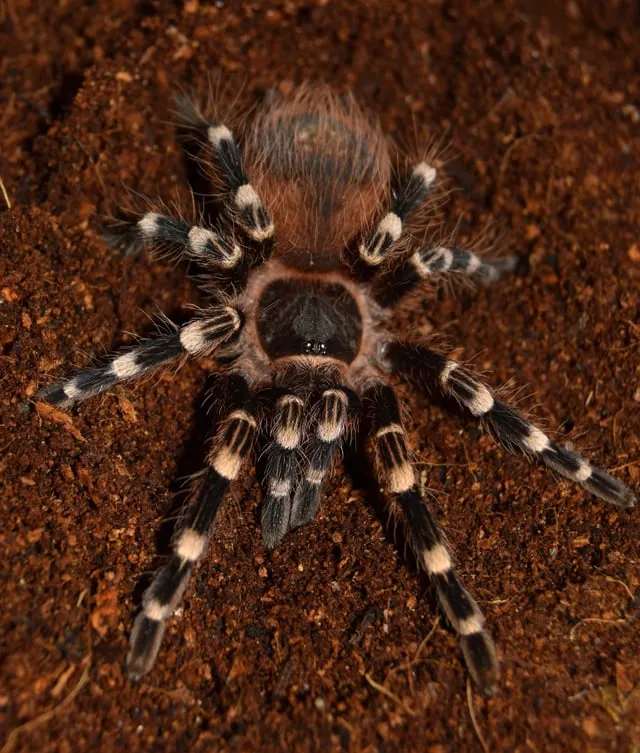
What is Acanthoscurria Tarantula
The Acanthoscurria tarantula is a fascinating genus of New World tarantulas, popular among arachnid enthusiasts. These spiders are known for their impressive size, diverse coloration, and relatively docile nature, making them a captivating addition to any collection. Native to South America, Acanthoscurria tarantulas offer a unique glimpse into the world of exotic pets. Understanding these creatures involves appreciating their biology, behavior, and care requirements to ensure a healthy and thriving spider. Learning about these amazing creatures requires understanding their role in their ecosystem and the unique adaptations that have allowed them to thrive for millions of years.
Appearance and Characteristics
Size and Colors

Acanthoscurria tarantulas are generally large spiders, with some species reaching a leg span of up to 8 inches or more. They exhibit a range of colors, from dark browns and blacks to lighter shades of tan and reddish-brown. The specific coloration often depends on the species and the individual spider’s age and environment. These colors provide camouflage in their natural habitats, helping them to ambush prey and avoid predators. Observing the variety in size and color is one of the most enjoyable aspects of keeping these tarantulas.
Distinctive Features
Acanthoscurria tarantulas are characterized by their robust bodies and long, hairy legs. They possess chelicerae (fangs) used for capturing and injecting venom into their prey. The abdomen is covered in urticating hairs, which the tarantula can flick at potential threats as a defense mechanism. These hairs can cause skin irritation upon contact. The pedipalps, or palps, are small leg-like appendages near the mouth that are used for sensory purposes and handling food. Understanding these features is critical to safe and responsible handling of these impressive spiders.
Habitat and Distribution
Natural Habitat

These tarantulas are native to the tropical regions of South America, including countries like Brazil, Guyana, and Venezuela. They typically inhabit humid environments, such as rainforests, grasslands, and savannas. The natural habitat provides the necessary conditions for their survival, including suitable temperature, humidity, and a ready supply of prey. These environments provide the ideal conditions for Acanthoscurria tarantulas to thrive. The specifics of the habitat can vary based on the species.
Geographical Distribution
The distribution of Acanthoscurria tarantulas is primarily concentrated in the northern parts of South America. Different species have specific geographic ranges within this region, with some being more widespread than others. Their presence is often influenced by factors such as climate, vegetation, and the availability of suitable prey. As the demand for these spiders as pets increases, understanding their distribution is more critical than ever, as it influences conservation efforts and the ethics of collecting and keeping them.
Behavior and Temperament
Temperament

Acanthoscurria tarantulas are generally considered to be docile, but their temperament can vary depending on the individual spider and species. They are not typically aggressive and are less likely to bite than some other tarantula species. However, they can be skittish and may flick urticating hairs as a defensive mechanism if they feel threatened. This behavior is more common in some species than others, so understanding the temperament of your specific tarantula is very important for safe handling. Careful observation is key to understanding their behavior.
Defensive Mechanisms
The primary defense mechanism of Acanthoscurria tarantulas is the flicking of urticating hairs from their abdomen. These hairs are barbed and can cause skin irritation and itching. Some species also have the ability to bite, although this is not their primary defense. They also might try to escape and hide as a first line of defense. Recognizing these defensive mechanisms and handling the tarantulas with care and caution is important for their safety and the safety of the handler.
Care and Handling
Enclosure Setup

An appropriate enclosure setup is essential for the well-being of an Acanthoscurria tarantula. A suitable enclosure should be large enough to accommodate the spider’s size, with enough floor space for burrowing and roaming. The enclosure should have a secure lid to prevent escape. Substrate such as coconut fiber or peat moss is recommended, as it helps to maintain humidity levels. Providing a water dish and hiding places, such as cork bark or artificial plants, will make the tarantula feel secure. These aspects are essential for creating a comfortable and healthy environment.
Feeding and Diet
Acanthoscurria tarantulas are carnivorous and primarily feed on insects. Suitable food items include crickets, mealworms, and roaches. The size of the prey should be appropriate for the tarantula’s size; juveniles should be fed smaller insects. Feeding frequency depends on the spider’s age and size, but generally, adults are fed once or twice a week. Providing fresh water in a shallow dish is also vital. A balanced diet and proper feeding schedule will ensure the tarantula’s health and longevity. Observe the tarantula’s feeding habits to adjust the diet as necessary.
Molting and Growth
The Molting Process

Molting is a natural process for tarantulas, where they shed their exoskeletons to grow. During molting, the tarantula will typically lie on its back. It’s crucial not to disturb the spider during this vulnerable time. After molting, the tarantula’s new exoskeleton will be soft and vulnerable. They should not be fed for a few days until their fangs have hardened. The frequency of molting decreases as the tarantula matures. Providing the right environment will facilitate the molting process and the overall health of the spider. Do not feed the tarantula for a week after it has molted, to give its fangs time to harden.
Growth Rate
The growth rate of Acanthoscurria tarantulas varies depending on the species, age, and environmental conditions. Juveniles molt more frequently than adults. As the tarantula matures, the time between molts increases. Providing the proper temperature, humidity, and diet will contribute to healthy growth. Understanding the growth cycle and molting frequency is important for providing proper care and anticipating the spider’s needs. A healthy diet and optimal environment will assist in rapid growth of these spiders.
Conclusion
Acanthoscurria tarantulas are amazing creatures, perfect for those who want to keep an exotic pet. They offer a fascinating glimpse into the world of arachnids. With proper care and attention, these tarantulas can thrive in captivity, bringing joy and wonder to their keepers. From their impressive size and coloration to their unique behaviors, Acanthoscurria tarantulas offer a rewarding experience for any enthusiast. Remember to do your research and provide the right environment to keep these beautiful creatures healthy and safe.