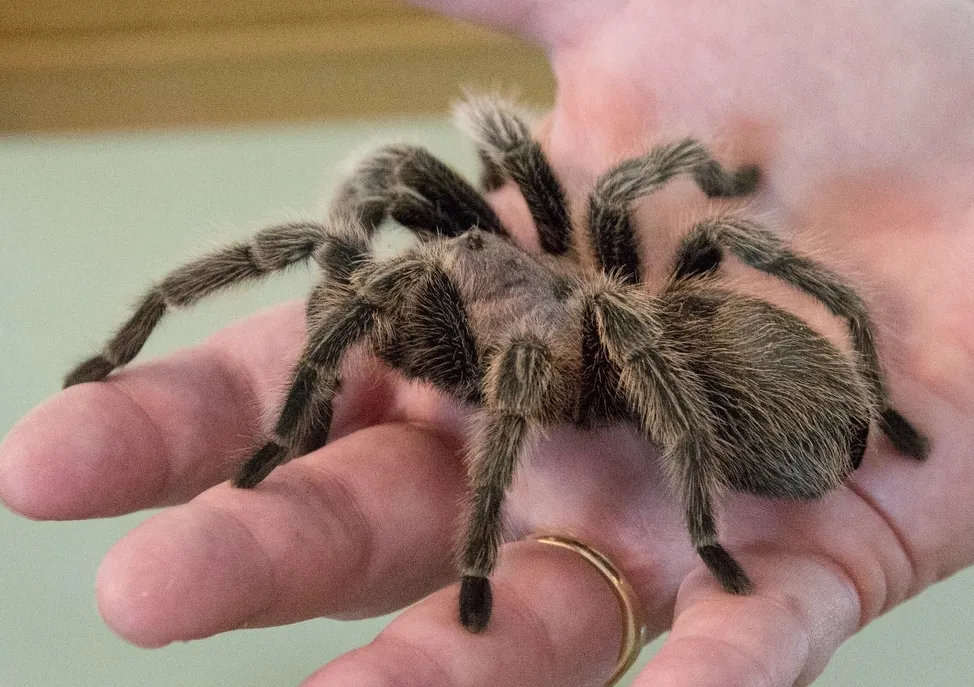
12 Inch Tarantula Guide: Housing Requirements
Caring for a 12-inch tarantula is a rewarding experience, but it requires careful planning and execution, especially regarding its habitat. The housing requirements are paramount to the well-being and longevity of your eight-legged friend. Providing a suitable environment that mimics their natural habitat is crucial for their health, allowing them to thrive. This includes the right enclosure, substrate, and decor, all of which contribute to the overall happiness and health of your pet. It’s essential to understand these requirements to ensure your tarantula lives a long and fulfilling life.
Choosing the Right Enclosure
Selecting the appropriate enclosure is the first and most critical step. The enclosure should be made of a durable material, such as glass or clear plastic, to allow for easy viewing and to withstand the tarantula’s potential digging and climbing activities. Ensure that the enclosure has a secure lid to prevent escapes, as tarantulas are surprisingly adept at finding their way out. Adequate ventilation is also essential, as it helps regulate humidity and prevent the buildup of harmful gases. The enclosure should be properly sized based on your tarantula’s size to allow them to move freely and comfortably.
Enclosure Size

The size of the enclosure is a critical factor. A good rule of thumb is to provide an enclosure that is at least twice the tarantula’s leg span in width and length. For a 12-inch tarantula, this translates to a significantly larger enclosure. This will ensure ample space for movement and the creation of a comfortable microclimate. The height of the enclosure should also be sufficient to prevent the tarantula from climbing and falling from a dangerous height, especially for terrestrial species. A larger enclosure also aids in maintaining stable temperature and humidity levels, contributing to the overall well-being of the tarantula. Using an appropriately sized enclosure is important for their safety and overall health.
Substrate and Decor
The substrate serves as the flooring for the tarantula’s enclosure and plays a crucial role in maintaining humidity levels and providing a place for the tarantula to burrow. Suitable substrates include a mixture of coconut fiber, peat moss, and vermiculite. These materials retain moisture well and provide a naturalistic environment. Avoid using substrates like sand, which can be abrasive and difficult to maintain. Decorate the enclosure with items such as cork bark, artificial plants, and sturdy branches to provide hiding places and enrich the environment. Ensure that all decor items are securely placed to prevent them from falling and potentially injuring the tarantula. Providing a stimulating environment will keep them engaged and happy. Remember to regularly monitor and replace the substrate to maintain hygiene.
12 Inch Tarantula Guide: Feeding and Diet
Proper feeding is essential for the health and growth of your 12-inch tarantula. A well-balanced diet contributes significantly to their longevity and vitality. Understanding the appropriate feeding frequency, types of food, and providing adequate water and humidity levels are all integral parts of their care. A healthy diet not only supports physical well-being but also promotes a positive psychological state, allowing them to express their natural behaviors. Feeding your tarantula the right food at the right time is essential for optimal health.
Feeding Frequency

The feeding frequency for a 12-inch tarantula depends on its age and molting cycle. Juvenile tarantulas generally require more frequent feedings than adults. As a general guideline, adults can be fed once or twice a week, while juveniles may need feeding every other day. However, observe your tarantula’s behavior; if it consistently refuses food, it may be nearing a molt. Avoid overfeeding, as it can lead to obesity and other health problems. Remove any uneaten food within 24 hours to prevent mold growth and maintain a clean environment. The correct feeding frequency helps maintain good health and ensures they get all the needed nutrients.
Types of Food
Tarantulas are primarily insectivores, and a varied diet is important for their overall health. Suitable food items include crickets, mealworms, roaches, and occasionally, other insects. Ensure that the insects you feed your tarantula are gut-loaded, meaning they have been fed nutritious food themselves before being offered to your pet. This enhances the nutritional value of the meal for your tarantula. Avoid feeding wild-caught insects, as they may carry parasites or pesticides. Supplementing their diet with calcium and vitamins is generally not required if they are receiving a balanced diet of appropriately gut-loaded insects. Always make sure the food is appropriately sized for your tarantula.
Water and Humidity
Providing a constant supply of fresh water is essential for your tarantula. Use a shallow water dish, ensuring it is easily accessible and doesn’t pose a drowning risk. Regular cleaning of the water dish is necessary to prevent the growth of bacteria and maintain hygiene. Humidity is another critical factor; it helps with molting and overall health. The required humidity level varies depending on the tarantula species, but generally, a range of 60-70% is suitable. Achieve this by misting the enclosure with water regularly or by providing a humid hide. Monitoring the humidity levels with a hygrometer ensures you can make necessary adjustments. Ensuring the water and humidity are appropriate helps them to live long and healthy lives.
12 Inch Tarantula Guide: Maintaining Environment

Maintaining a stable environment is critical for the health and well-being of your 12-inch tarantula. This involves controlling temperature and heating, monitoring humidity levels, and regular cleaning and maintenance of the enclosure. The goal is to create a microclimate that replicates the conditions the tarantula would experience in its natural habitat. Regular monitoring and attention to detail are essential to ensure a healthy and thriving environment. Maintaining the correct environment helps prevent the diseases and other health issues.
Temperature and Heating
Temperature is a vital factor in tarantula care, and it can greatly affect their activity, appetite, and overall health. The ideal temperature range for most tarantula species is between 75-85°F (24-29°C). Use a thermometer to monitor the temperature within the enclosure regularly. You can provide heat using a heat mat placed on the side or back of the enclosure, never directly underneath, as this could cause overheating and stress. Avoid using heat lamps, which can dry out the enclosure and pose a risk of burns. It’s crucial to provide a thermal gradient, with one area of the enclosure slightly warmer than the other, so the tarantula can regulate its body temperature. Maintaining the right temperature allows them to stay active and healthy.
Humidity Levels
Maintaining the correct humidity levels is essential for the tarantula’s health, particularly during molting. The ideal humidity range varies depending on the species; however, a range of 60-70% is generally suitable for most. Monitor humidity with a hygrometer and make adjustments as needed. You can increase humidity by misting the enclosure with water, providing a water dish, or adding a humid hide. Avoid excessive humidity, as it can lead to mold growth and other health problems. Regular monitoring and adjustments will keep the environment healthy for your tarantula.
Cleaning and Maintenance

Regular cleaning and maintenance are crucial for maintaining a healthy environment. Spot clean the enclosure weekly by removing any uneaten food, molted exoskeletons, and fecal matter. Replace the substrate every few months, depending on the type and how quickly it becomes soiled. Use a mild, pet-safe disinfectant to clean the enclosure when needed. Avoid using harsh chemicals, as they can be harmful to your tarantula. Ensure all items are completely dry before returning them to the enclosure. Regular cleaning prevents the growth of harmful bacteria and maintains a healthy environment for your pet.
12 Inch Tarantula Guide: Handling and Safety
Handling your 12-inch tarantula should be approached with caution and respect. While some tarantulas are more docile than others, all can bite and inject venom if they feel threatened. Prioritizing safety for both you and the tarantula is essential. Handling should be limited, and only undertaken when necessary, such as for enclosure maintenance or health checks. Always be mindful of the tarantula’s body language and be ready to react accordingly. Understanding and practicing safe handling techniques will help prevent unnecessary stress or injury to your pet and yourself.
Safe Handling Practices
If you must handle your tarantula, do so with care. Approach the tarantula slowly and gently, allowing it to come to you rather than trying to force it. Use a soft brush or a similar tool to gently coax the tarantula onto your hand. Always support the tarantula’s body to prevent it from falling. Avoid sudden movements and loud noises, as these can startle the tarantula. Wash your hands thoroughly before and after handling to prevent the spread of bacteria. Avoid handling your tarantula if it is nearing a molt, as they can be more sensitive during this time. Practice handling in a safe environment.
Identifying Potential Hazards

Be aware of the potential hazards involved in handling a tarantula. Tarantulas have fangs that can pierce human skin, and their bites can be painful. Some species have urticating hairs, which can be flicked off their abdomen as a defense mechanism, causing skin irritation or allergic reactions. Always wear gloves and long sleeves when handling species known for urticating hairs. Keep the tarantula away from your face and eyes. If bitten, clean the wound thoroughly and seek medical attention if necessary. Be aware of your surroundings, and ensure the tarantula cannot escape. Being aware and taking precautions reduces the risk of issues.
12 Inch Tarantula Guide: Health and Common Issues
Understanding the health of your 12-inch tarantula and recognizing any potential issues is essential for providing the best care. This involves knowing the signs of a healthy tarantula, identifying common health problems, and knowing how to seek appropriate veterinary care when needed. Regular observation and proactive care will help ensure that your tarantula lives a long and healthy life. Learning the signs of potential issues allows for you to act before it is too late.
Recognizing Signs of Illness
Regularly observe your tarantula for signs of illness. A healthy tarantula should be active, have a good appetite, and exhibit normal behaviors. Signs of illness can include loss of appetite, lethargy, unusual posture, and a swollen abdomen. Other indicators may include difficulty molting, a loss of limb, or the presence of parasites. If you notice any of these signs, isolate the tarantula and consult a veterinarian with experience in exotic animals. Early detection is crucial for successful treatment. Knowing these signs allows you to get care immediately.
Preventative Care

Preventative care is key to keeping your tarantula healthy. This includes providing a suitable environment, a balanced diet, and regular cleaning. Ensure proper hygiene by removing uneaten food and regularly cleaning the enclosure. Quarantine any new tarantulas before introducing them to your existing collection to prevent the spread of disease. Research the specific needs of your tarantula species, as different species have varying requirements. Consult with a veterinarian specializing in exotic animals to establish a baseline for your pet’s health. By following these preventative measures, you can significantly reduce the risk of your tarantula becoming ill and ensure a long and healthy life for your pet.